Who needs winter? Nature does
Some places in our world never encounter a cold, wintery season, but here in the Midwest, we are lucky enough to experience four different seasons. In spring, plants begin to grow, then summer brings the heat until autumn, when nature dries out and starts to prepare for the winter months. But what purpose does our cold winter season serve? Do we really need winter? What does winter do for nature?
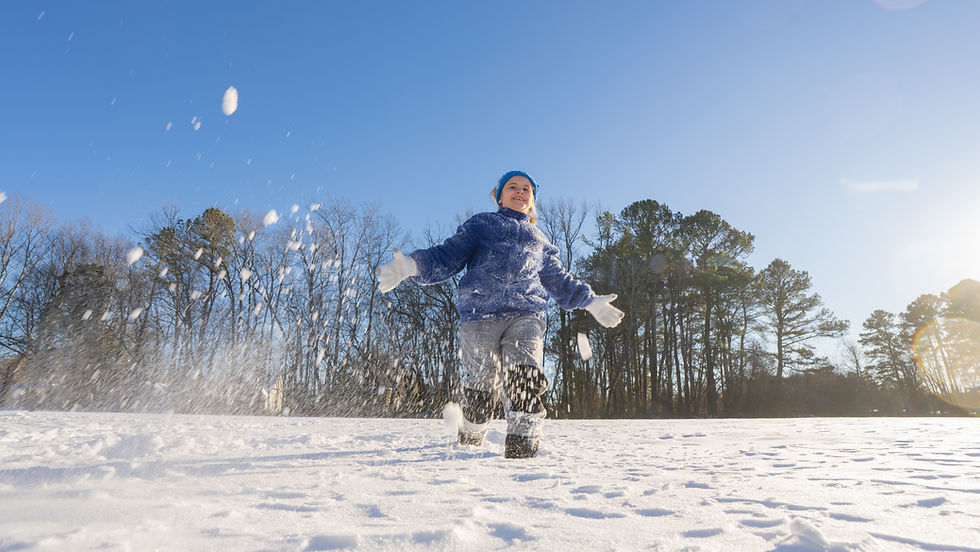
Although some people wouldn't mind a little less winter weather in their lives, the cold winter snow serves many benefits to nature. We need winter.
Snow – insulation (snow-sulation)

We all know snow is cold, but think about how an igloo offers shelter from the biting cold wind and elements. Animals use snow as insulation to protect themselves from the cold.
Animals that burrow are provided with an extra layer of protection that the snow supplies. Small mammals like mice, moles, voles and shrews live in this protective under-snow world, creating tunnels to find food and make nests. As the snow begins to melt, be on the lookout for these tunnel systems — a fun clue left behind by little critters.
Perennial plants and trees benefit from the blanket of snow, again sheltering them from being exposed to fierce cold and wind, because snow stays more of a constant temperature. Low-growing plants and roots of many plants are protected from extreme temperature swings. It may be a cold blanket, but it is still a blanket.
Survival of the fittest
Over time, extreme weather causes species to adapt through natural selection. Only the strongest, most well-suited animals can survive extreme weather. This helps keep populations in check.
Words to know
Encounter: To unexpectedly experience or be faced with something.
Offset: To counteract by having an opposing force or effect.
Vernal: Of or related to spring.
When animals are hibernating, brumating or in diapause, they are not breeding — they are not making more of their species — so their population is more stable. Other species of plants and animals that are not native to the Midwest may have trouble surviving our harsh winters. The cold weather may slow the spread of invasive plants and insects harmful to our area, like the emerald ash borer.
Keep cool, bright and quiet, Earth
Cold winter months help offset the hot summer months. The bright white color of the snow helps reflect the sun's rays. Not only does the snow reflect the heat of the winter sun, but it also reflects moonlight on a winter night.
Try exploring outdoors without a flashlight on a snowy night. After a few minutes, your eyes will adjust to the darkness, and the snow will help light your way.
Have you ever noticed how quiet it is on a snowy night in the winter? Snow absorbs sound, giving our surroundings a peaceful feeling.
Rivers and lakes

The stockpile of snow that eventually melts restores water to local rivers and lakes just in time for spring. The snowmelt also provides critical habitat and a nursery for springtime amphibians. This collection of water may become a vernal pond.
These ponds are only here for a short time in the spring before they dry up. While they are here, frogs, toads, salamanders and more begin their lives here.
Berries and fruits
Berry bushes and some fruit trees need time to rest during the winter to prepare to provide fruit the following seasons. After these trees chill for the winter, they wake up and produce spring buds when the springtime weather is right.
So, to answer the question: Who needs winter anyway? From the tiniest of mice to a large apple tree, we all do! Take some time to appreciate all winter has to offer. It is only here for a short time — embrace it!


